

Although haṭha-yoga has been reimagined into a user-friendly wellness routine, its classical form is anything but. Postural practices, in their original architecture, were antithetical to everyday comfort, material wellness, and bodily indulgence. In the Yoga Sūtras, Patañjali clearly states the bold mission: yogaś citta-vṛtti-nirodhaḥ—the stilling of all thoughts through a rigorous practice of mind control. Haṭha-yoga is serious business—an ascetic project that requires the severing of worldly ties, remote isolation, uncompromising detachment, and strict discipline. Āsana—which occupies only one percent of the sūtras—is not the culmination but the preparation. Postures discipline the vessel into balance. The body is steadied so the mind can be confronted, subdued, dismantled, and ultimately mastered.
Pātañjali’s paradigm makes a brief appearance in the Bhagavad-gītā. There, Arjuna listens, considers—and then hesitates. Confronted with the expectation of absolute mental restraint, he writes it off as impractical, admitting that the mind “is more difficult to control than the wind” (BG 6.34). Yoga āsanas were never taught as lifestyle accessories. In their classical framing, they don’t supplement an existing way of life; they demand its entire reorientation. The question, then, is who can make such a commitment? Who will turn away from the world? The reality: very few. Thus, most embrace the domesticated yoga and its peripheral benefits, deferring the real project of spiritualising the mind, and returning to “business as usual” after an hour on the yoga mat.
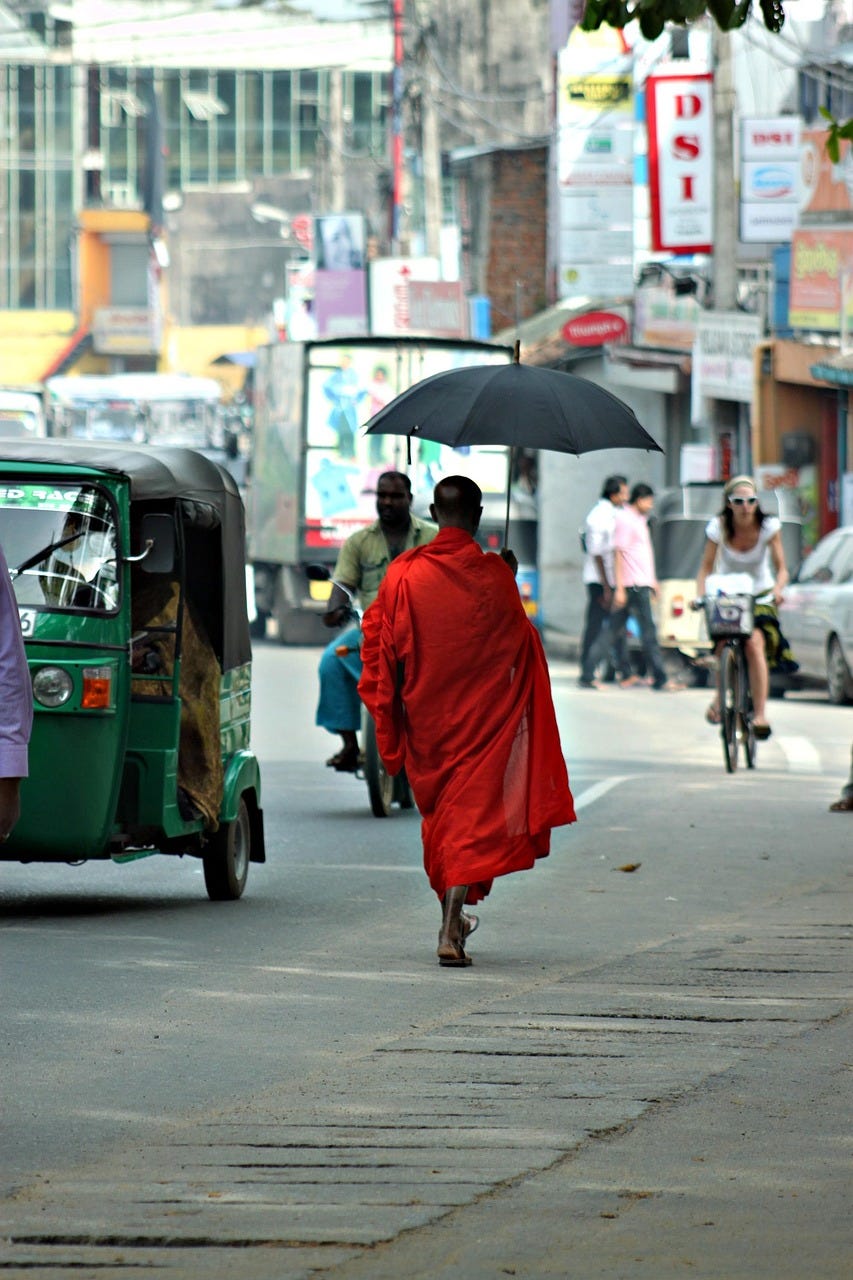
Thankfully, the Bhagavad-gītā doesn’t leave the aspirant stranded. Kṛṣṇa reveals an underrated alternative—a user-friendly yoga practice, seamlessly compatible with worldly life, powerful and charmingly unassuming. It’s called karma-yoga. Little needs to change externally; one continues their social, professional, and familial roles. What needs shifting are two crucial mindsets: how one acts and what they do with the outcomes. In any sphere—career, study, family life, or otherwise—the karma-yogi acts without ego or pride, recognising that all they control is the opportunity to make the best effort. Your endeavour defines you, not the result. When results do come—wealth, status, influence, or recognition—these are utilised in the service of God and creation, not just banked as personal assets. Success used selfishly will surely make you miserable. These two adjustments are absolute game-changers; making money can become a yogic practice—simply earn it with integrity, and utilise it with generosity. Though karma-yoga lacks the dramatic heroism of monastic renunciation, it’s no less glorious. Everyday activities become yogic disciplines. The world becomes a sacrificial arena. Ordinary people become urban monks.
The detached mindset of the karma-yogī quietens the mind. When we’re no longer driven and defined by results, it’s radically liberating. Everyone lives under relentless pressure and expectation—a charged energy that can deflate, depress and quietly destroy. Family, peers, society, the media—they set the metrics of success, and we scramble to measure up. We ache to be seen, to be affirmed, so we obsess over achievements that will entice the world to look our way. The karma-yogī retires from that game. When we go to bed at night knowing we tried our best and emptied the tank, nothing else really matters. If results flood in, we receive them with gratitude—as opportunities to serve, not trophies to display. Success never degenerates into complacency or pride. And when outcomes dry up, what the world deems failure, we stay steady—determined, hopeful, trusting that a deeper order is unfolding. Absence of result never spirals into self-doubt or lonely despair. The karma-yogī, Kṛṣṇa says, becomes a sage of a steady mind.
I see it now: when my mum said, “Try your best,” she was transmitting a compact philosophy with profound implications.
I loved this. My mother, and now I have also used “Just do your best” in parenting - and even now as adults I use it, they have such stressful lives.
Also, I studied the Pathanjali Sutras deeply and am now practicing bhakti seriously. I recall that Patanjali in book one stated that Isvara Pranidhana is the goal; if that can't be achieved, then go to book 2. They never recommended studying Book 3, rightly so.
Thank you, Maharaj, for your constant inspiration and for bringing sage clarity to many things
Thankyou for sharing this wonderful and insightful wisdom. You are right, many people attend yoga classes for 1 hour a week for physical fitness and flexibility and miss the depth of what yoga really is. Really appreciate the way you share these ancient teachings in a more simplified way, that I’m sure will reach the right people at the right time on their souls journey. Thankyou for being that Amazing soul who wholeheartedly serves. Hare Krishna. 🙏❤️🙏