

Pride (dambhaḥ), arrogance (darpaḥ), ego (abhimānaḥ), anger (krodaḥ) and ignorance (ajñānam) are enemies that invite misery. Kṛṣṇa then adds another—harshness (pāruṣyam). It’s disturbingly pervasive in today’s world; among the hardest to detect in ourselves, yet the most painful to bear when coming from others. It cuts across every sphere of life—from ghosting and road rage to ‘cancel’ culture, family feuds, and military retaliation. Harshness expresses itself through actions which are impulsive, sceptical, disproportionate and counter-productive. Behaviour which lacks wisdom and heart. Responding with measure is grace in action; quiet, well-thought and radically powerful. While researching a paper this week, I encountered two stories in which destructive harshness is met with inestimable grace. These accounts are simultaneously breathtaking and heartbreaking, almost incomprehensible, at least from my current stage of spiritual evolution. I sat patiently with them, wondering what they might mean for my life.
Case one. In October 2006, a gunman entered a quiet, withdrawn Amish village and mercilessly killed ten schoolgirls, aged 6 to 13. He then shot himself. The gunman’s daughter had died at birth, and his grief became a desire for revenge on God. This is how he did it. The massacre became national news, and so did the response of the community. That same afternoon, the grandfather of one of the victims went to the gunman’s family home and prayed with the family, offering comfort in their pain. The Amish invited the family to the funerals of their own children. They also attended the funeral of the gunman. Ironically, the Amish attendees at his funeral outnumbered his own family. Though the gunman could not forgive God nine years after his daughter’s departure, the community had forgiven him in a day.
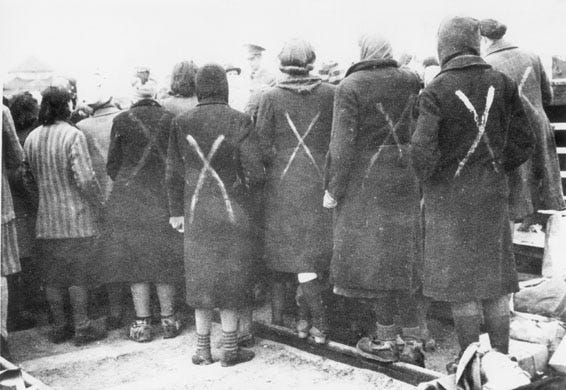
Case Two. During the Holocaust, millions were murdered in concentration camps. Among them was the notorious Ravensbrück, where 92,000 women and children were tortured and gassed. On one particular day, while clearing the area, a prayer was found written on a piece of wrapping paper beside the corpse of a child. It was likely penned in their final moments. It read: “O Lord, remember not only the men and women of good will, but also those of evil will. But do not remember all the suffering they have inflicted upon us; remember the fruits we have borne thanks to this suffering—our comradeship, our loyalty, our humility, our courage, our generosity, the greatness of heart which has grown out of all this; and when they come to the judgement, let all the fruits that we have borne be their forgiveness. Amen.”
I still struggle to process this. These stories reveal the stark continuum of brutality and beauty that defines our world. How are individuals capable of such apocalyptic hate and harshness, and how can others respond with such radical forgiveness and grace? How do we translate this? Injustices demand attention, and exploitation cannot go unchallenged; we must stand up and redress the wrongs. Yet these accounts challenge us to ask: what does spirituality do to elevate our approach? Do these stories highlight an inner emotional stability that each of us must find, even when on the receiving end of harshness? How may harshness appear in the lives of even well-meaning, justice-seeking individuals? Closer to home: when is my own harshness triggered, and how may this be damaging the beauty that surrounds me? Today I have more questions than answers. This topic is not intellectual. Philosophy only goes so far. This is all deeply personal, and a harsh reality we all have to wrestle with.
Literally couldn’t fathom the depth and resoluteness in their forgiveness. Quite overwhelming. Brought tears to my eyes. Truly beautiful souls and much purer than this world deserves. I hope they’re in a better place. And thank you for sharing 🙏
Every now and then i check my email , always looking forward to see an email from Keshava Swami blog. There's always something to learn, a push i need to elevate and elevate my consciousness. Keep on Maharaj